

+918048037722

DRPRADEEPTIWARI https://www.bestneurologistinmumbai.com
Preview

This is your website preview.

Currently it only shows your basic business info. Start adding relevant business details such as description, images and products or services to gain your customers attention by using Boost 360 android app / iOS App / web portal.

919131973517

Treatments

Neurodegenerative diseases are incurable and debilitating conditions that result in progressive degeneration and / or death of nerve cells. This causes problems with movement (called ataxias), mental functioning (called dementias) and affect a person's ability to move, speak and breathe.Types of Degenerative Nerve DiseasesAlzheimer's diseaseAlzheimer's disease is a progressive neurologic disorder that causes the brain to shrink (atrophy) and brain cells to die. Alzheimer's disease is the most common cause of dementia — a continuous decline in thinking, behavioral and social skills that affects a person's ability to function independently. Approximately 5.8 million people in the United States age 65 and older live with Alzheimer's disease. Of those, 80% are 75 years old and older. Out of the approximately 50 million people worldwide with dementia, between 60% and 70% are estimated to have Alzheimer's disease.

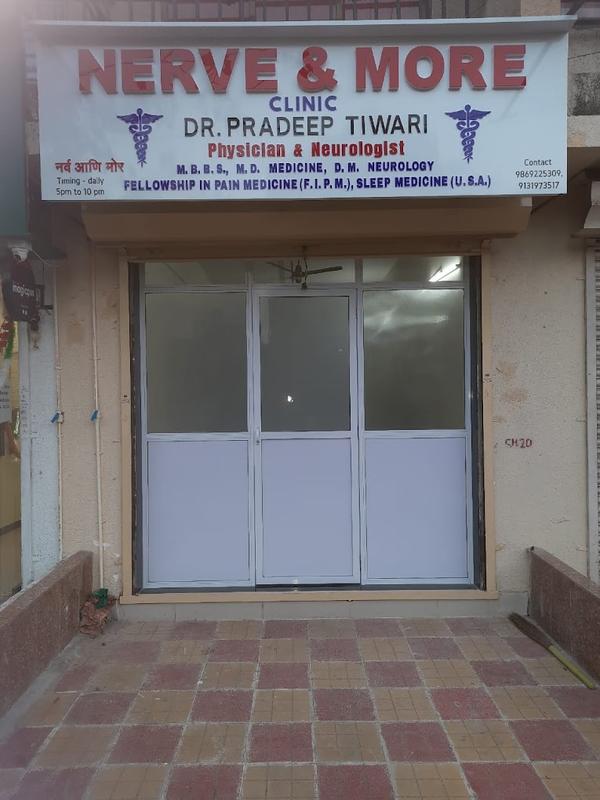
Shop No. 4, Ground floor, Bldg. No.10, Manshanti CHS, Nr. Bendre Chowk, Shell Colony Road, Chembur (E),Near Tilak Nagar local station, Mumbai-400071

The term "Movement Disorders" refers to a group of nervous system (neurological) conditions that cause abnormal increased movements, which may be voluntary or involuntary. Movement disorders can also cause reduced or slow movements.Common Types Of Movement Disorders Include:Ataxia -: This movement disorder affects the part of the brain that controls coordinated movement (cerebellum). Ataxia may cause uncoordinated or clumsy balance, speech or limb movements, and other symptomsCervical dystonia -: . This condition causes long-lasting contractions (spasms) or intermittent contractions of the neck muscles, causing the neck to turn in different ways.Chorea -: Chorea is characterized by repetitive, brief, irregular, somewhat rapid, involuntary movements that typically involve the face, mouth, trunk and limbs.Dystonia -: This condition involves sustained involuntary muscle contractions with twisting, repetitive movements. Dystonia may affect the entire body (generalized dystonia) or one part of the body (focal dystonia).Functional movement disorder -: This condition may resemble any of the movement disorders, but is not due to neurological diseaseHuntington's disease -: This is an inherited progressive, neurodegenerative disorder that causes uncontrolled movements (chorea), impaired cognitive abilities and psychiatric conditions.Multiple system atrophy -: This uncommon, progressive neurological disorder affects many brain systems. Multiple system atrophy causes a movement disorder, such as ataxia or parkinsonism. It can also cause low blood pressure and impaired bladder function.Myoclonus -Parkinson's disease -Parkinsonism

Shop No. 4, Ground floor, Bldg. No.10, Manshanti CHS, Nr. Bendre Chowk, Shell Colony Road, Chembur (E),Near Tilak Nagar local station, Mumbai-400071

Parkinson’s disease is a nervous system disease that affects your ability to control movement. The disease usually starts out slowly and worsens over time. If you have Parkinson’s disease, you may shake, have muscle stiffness, and have trouble walking and maintaining your balance and coordination. As the disease worsens, you may have trouble talking, sleeping, have mental and memory problems, experience behavioral changes and have other symptoms.Who Gets Parkinson’s Disease?About 50% more men than women get Parkinson’s disease. It is most commonly seen in persons 60 years of age and older. However, up to 10% of patients are diagnosed before age 50.Is Parkinson’s Disease Inherited?Scientists have discovered gene mutations that are associated with Parkinson’s disease. There is some belief that some cases of early-onset Parkinson’s disease – disease starting before age 50 – may be inherited. Scientists identified a gene mutation in people with Parkinson’s disease whose brains contain Lewy bodies, which are clumps of the protein alpha-synuclein. Scientists are trying to understand the function of this protein and its relationship to genetic mutations that are sometimes seen in Parkinson’s disease and in people with a type of dementia called Lewy body dementia.Several other gene mutations have been found to play a role in Parkinson’s disease. Mutations in these genes cause abnormal cell functioning, which affects the nerve cells’ ability to release dopamine and causes nerve cell death. Researchers are still trying to discover what causes these genes to mutate in order to understand how gene mutations influence the development of Parkinson’s disease. Scientists think that about 10% to 15% of person’s with Parkinson’s disease may have a genetic mutation that predisposes them to development of the disease. There are also environmental factors involved that are not fully understood.

Shop No. 4, Ground floor, Bldg. No.10, Manshanti CHS, Nr. Bendre Chowk, Shell Colony Road, Chembur (E),Near Tilak Nagar local station, Mumbai-400071

Meet Our Doctor

Dr. Pradeep Tiwari

Dr. Pradeep Tiwari

DM - Neurology, MD - General Medicine, MBBS Neurologist

Phone +91-9131973517

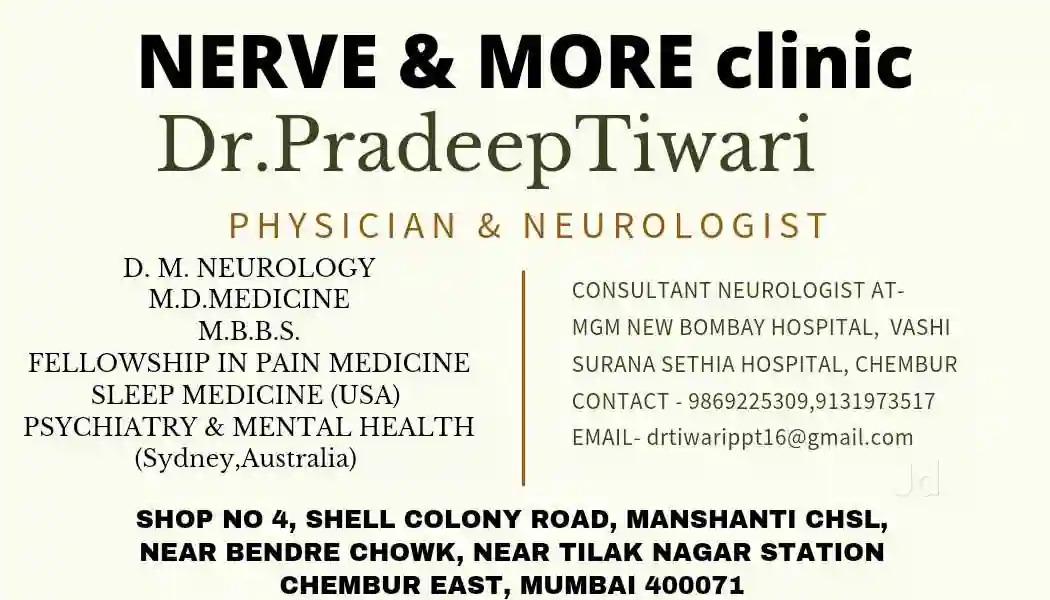
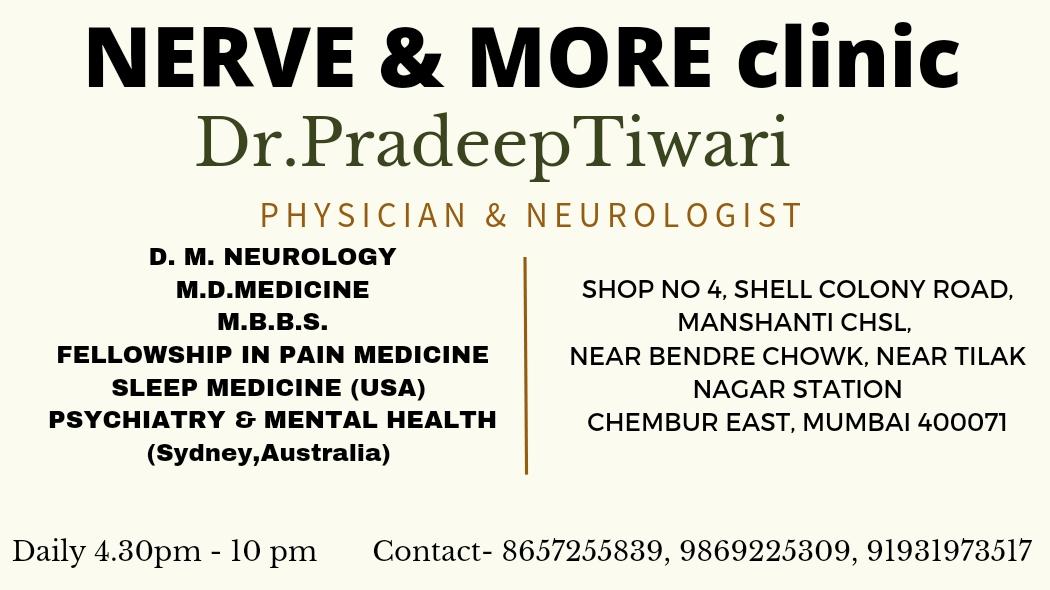
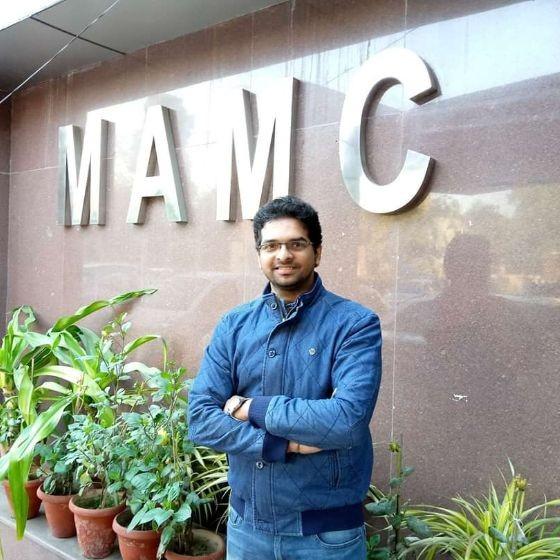
Dr. Pradeep Tiwari is a Physician and Neurologist at MGM New Bombay Hospital, Vashi. He is the Chief Consultant at Nerve and More clinic, Tilak Nagar.He did his MBBS from BYL Nair Hospital, Mumbai. He did his MD General Medicine, and went onto pursue DM Neurology from a very prestigious Maulana Azad Medical College, New Delhi. He has done Fellowship in Pain Management and Course in Sleep Medicine from Michigan University USA. He has also done Course on Positive Psychiatry and Mental Health from University of Sydney, Australia. He is assistant proffesor in DY PATIL hospital Nerul

Shop No. 4, Ground floor, Bldg. No.10, Manshanti CHS, Nr. Bendre Chowk, Shell Colony Road, Chembur (E),Near Tilak Nagar local station, Mumbai-400071

Testimonials

I was suffering from migraine. Ny friend suggested me Dr. Pradeep tiwari. Now I am feeling well. Best doctor I have seen. Well behaviour and very calm doctor.

Well behaviour and very calm doctor.

Great Doctor!! Was suffering from long long time...one month medication and I feeling better now...Thankyou Sir!!

Great Doctor!!

Latest Update

Best neurologist in mumbai

It's Done!!

Your appointment is confirmed

Doctor Name:

Date & Time:

Contact:

Address: Shop No. 4, Ground floor, Bldg. No.10, Manshanti CHS, Nr. Bendre Chowk, Shell Colony Road, Chembur (E),Near Tilak Nagar local station, Mumbai-400071

Appointment details has also been shared with you on your mobile number . Please arrive atleast ten minnutes ahead of the scheduled time.

treatments